


Healthy Diet

Healthy Body
Healthy Mind

Happy Human



Healthy Diet
Healthy Body
Healthy Mind
Happy Human
In today’s fast-paced world, maintaining optimal body vitality is crucial for overall health and well-being. By understanding the intricate relationships between nutrition, organs, and systems, we can unlock the secrets to vibrant health and energy.
The nutrient journey is a 3-step process that converts food into energy.
1. Energy Source: Food is broken down into calories.
2. Absorption: Calories are absorbed into the bloodstream
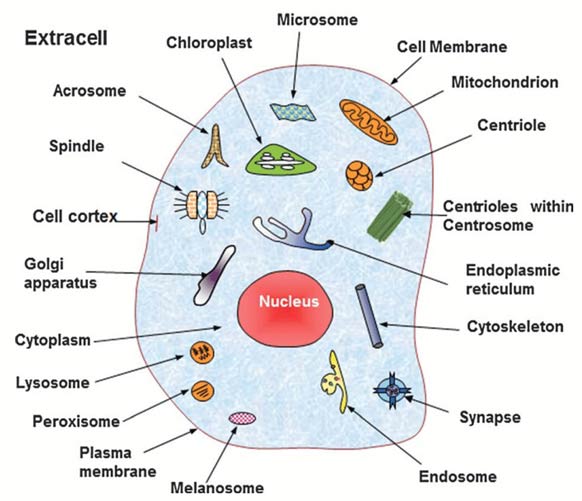
3. Energy Production: Calories are converted into energy (ATP) for cells.
Detailed Process:
Calories: Energy units from food (kilocalories, kcal)
Macronutrient Breakdown:
Carbohydrates: Broken down into glucose, fructose, and others
Proteins: Broken down into amino acids
Fats: Broken down into fatty acids and glycerol
Glucose: Simple sugar, primary energy source for cells
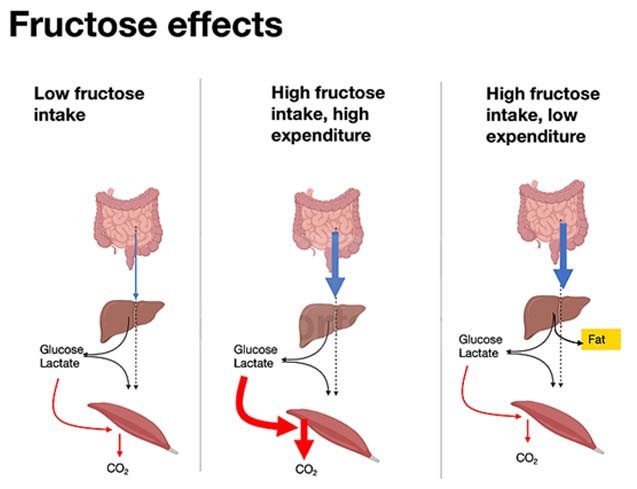
Fructose: Simple sugar, metabolized by liver, can be converted to glucose
Amino Acids: Building blocks of proteins, absorbed into bloodstream
Fatty Acids: Broken down from fats, absorbed into bloodstream
Insulin Release: Pancreas releases insulin, regulating blood glucose levels
Insulin Signaling: Insulin facilitates glucose uptake in cells
Glycolysis: Glucose conversion to energy (ATP) within cells
Protein Synthesis: Amino acids used to build proteins
Fatty Acid Metabolism: Fatty acids used to produce energy or stored for later use
Fructose Metabolism: Fructose is not directly absorbed by human cells
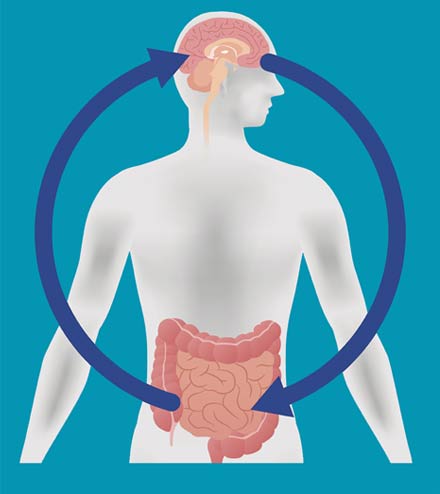
The vagus nerve is a two-way communication pathway connecting the brain’s central nervous system (CNS) to the gut’s enteric nervous system (ENS).
Key Functions:
Signal Transmission: Sends signals from the gut to the brain, impacting mood, cognition, and behavior.
Key Players:
Gut Microbiome: Trillions of gut microorganisms produce metabolites, hormones, and neurotransmitters that influence brain function.
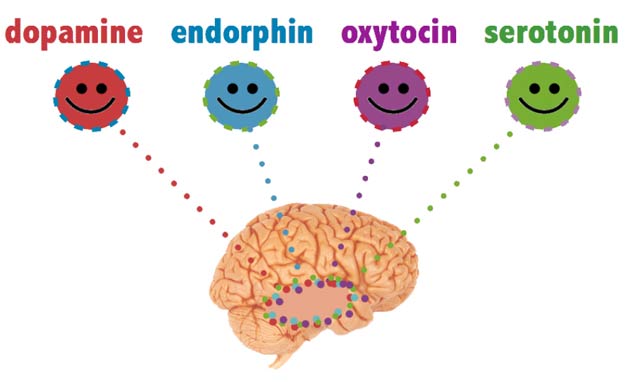
Neurotransmitters: Serotonin, dopamine, and acetylcholine are produced in the gut and transmitted to the brain via the vagus nerve.
Hormones: Ghrelin, leptin, and insulin regulate energy balance, appetite, and metabolism, also influencing brain function.
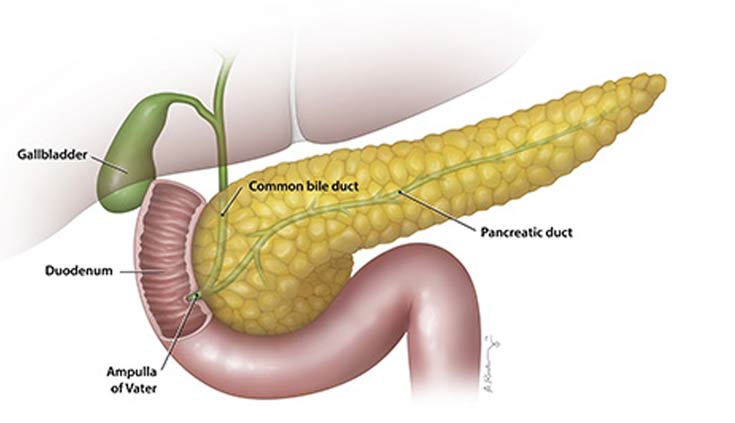
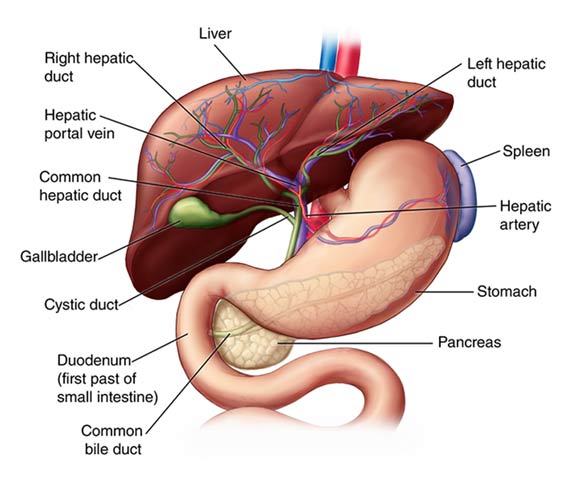
The pancreas produces hormones and enzymes to regulate digestion and metabolism.
Key Functions:
Hormone Production: Regulates blood sugar levels through insulin and
Key Hormones:
Insulin: Facilitates glucose uptake in cells, lowering blood sugar.
Glucagon: Stimulates glucose release from stored glycogen, raising blood sugar.
Somatostatin: Regulates insulin and glucagon secretion.
Key Enzymes:
Amylase: Breaks down carbohydrates into simple sugars.
Lipase: Breaks down fats into fatty acids and glycerol.
Trypsin: Breaks down proteins into amino acids.
The pancreas plays a crucial role in maintaining healthy blood sugar levels, digestion, and metabolism.
Added fructose extends shelf life, manipulates consumer behavior, and triggers rapid blood sugar spikes.
Health Risks: Contributes to obesity, insulin resistance, and type 2 diabetes.
Addiction:
Consuming high-fructose foods can lead to addiction, similar to alcohol and drugs.
Reduce Carb Content: Limit carbohydrate intake to minimize fructose consumption.
Avoid Packaged Carbs: Choose whole, unprocessed foods instead of packaged carbs.
Read Labels: Become a mindful consumer and make informed choices.
Success Stories: Inspiring stories of individuals who’ve transformed their health by making informed food choices.
1. Detoxification: Removes toxins and waste from the blood.
2. Metabolism: Processes nutrients, hormones, and medications.
3. Production: Produces bile, proteins, and clotting factors.
Fatty Liver Disease:
Excess fat buildup in liver cells, linked to obesity and insulin resistance.
Good Foods for Liver Health: Leafy Greens, Berries, Nuts and Seeds, Whole Grains
Medicine-Metformin: Regulates blood sugar levels and improves insulin sensitivity.
Pharmaceutical companies often prioritize treating symptoms over promoting prevention. However, a well-balanced diet rich in essential nutrients can play a crucial role in preventing chronic diseases.
Disease: Diabetes Mellitus
Prevention: Berries (vitamin C), green leafy vegetables (magnesium), whole grains (chromium)
Medicine: Metformin
Cancer- Disease: Carcinoma
Prevention: Nuts (vitamin E), seeds (selenium), citrus fruits (vitamin C)
Medicine: N-acetylcysteine (NAC)
Disease: Alzheimer’s Disease
Prevention: Avocados (vitamin E), coconut oil (medium-chain triglycerides), dark chocolate (magnesium)
Medicine: Idebenone
Disease: Metabolic Syndrome
Prevention: Whole grains (chromium), legumes (magnesium), avocados (healthy fats)
Medicine: Pioglitazone
Disease: Atherosclerosis
Prevention: Flaxseeds (omega-3), chia seeds (fiber), vitamin D-rich foods (vitamin D)
Medicine: Statins
Disease: Crohn’s Disease or Ulcerative Colitis
Prevention: Fermented foods (probiotics), turmeric (curcumin), ginger (gingerols)
Medicine: Aminosalicylates
Disease: Depression
Prevention: Dark leafy greens (folate), whole grains (magnesium), avocado (healthy fats)
Medicine: Folic acid
Disease: Parkinson’s Disease
Prevention: Green tea (catechins), whole grains (magnesium), legumes (potassium)
Medicine: Rapamycin
By incorporating these nutrient-dense foods into your diet, you can reduce your risk of chronic diseases and promote overall health and well-being.
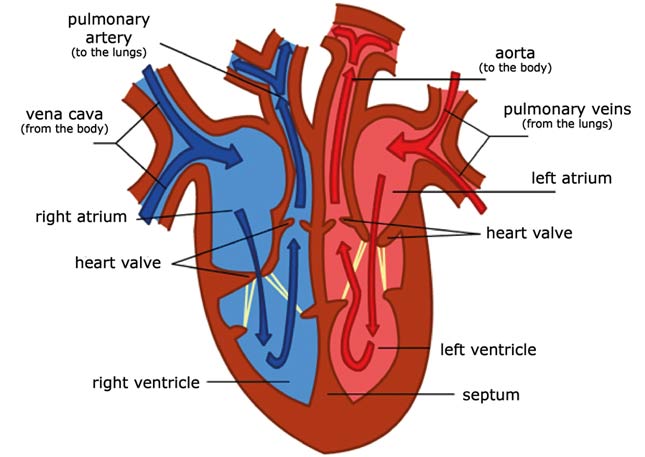
Pumping Blood: Supplies oxygen and nutrients to the body.
Regulating Blood Pressure: Maintains healthy blood pressure levels.
Heart Diseases- Heart Failure: Heart’s inability to pump enough blood.
– Coronary Artery Disease:
Narrowing or blockage of heart arteries.
-Good Foods for Heart Health:
Leafy Greens, Berries, Olive Oil.
-Medicine for Heart Health- Aspirin:
Helps prevent blood clots and reduce inflammation.
1. Control and Coordination: Regulates body functions, movement, and thoughts.
2. Memory and Learning: Processes and stores information.
Brain Diseases
– Alzheimer’s Disease: Progressive memory loss and cognitive decline.
– Parkinson’s Disease: Neurodegenerative disorder affecting movement.
Good Foods: Nuts and Seeds. Dark Chocolate, Blueberries
Medicine- Rivastigmine: Helps manage Alzheimer’s symptoms
and improve cognitive function
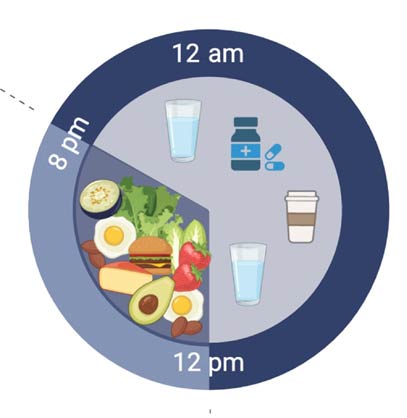
16:8 Method- Fasting Window:
16 hours- Eating Window: 8 hours- Benefits: Improved insulin sensitivity, weight loss, and increased autophagy
Fasting Window:
24 hours- Benefits: Increased autophagy, improved immune function, and enhanced cellular cleaning
Fasting Window:
72 hours- Benefits: Deepened autophagy, improved immune function, and increased production of new cells